Robotic Welding
Configure robot, power source, torch, feeder, fixture, positioner, sensing and safety around the weld and workpiece.
Review application ↗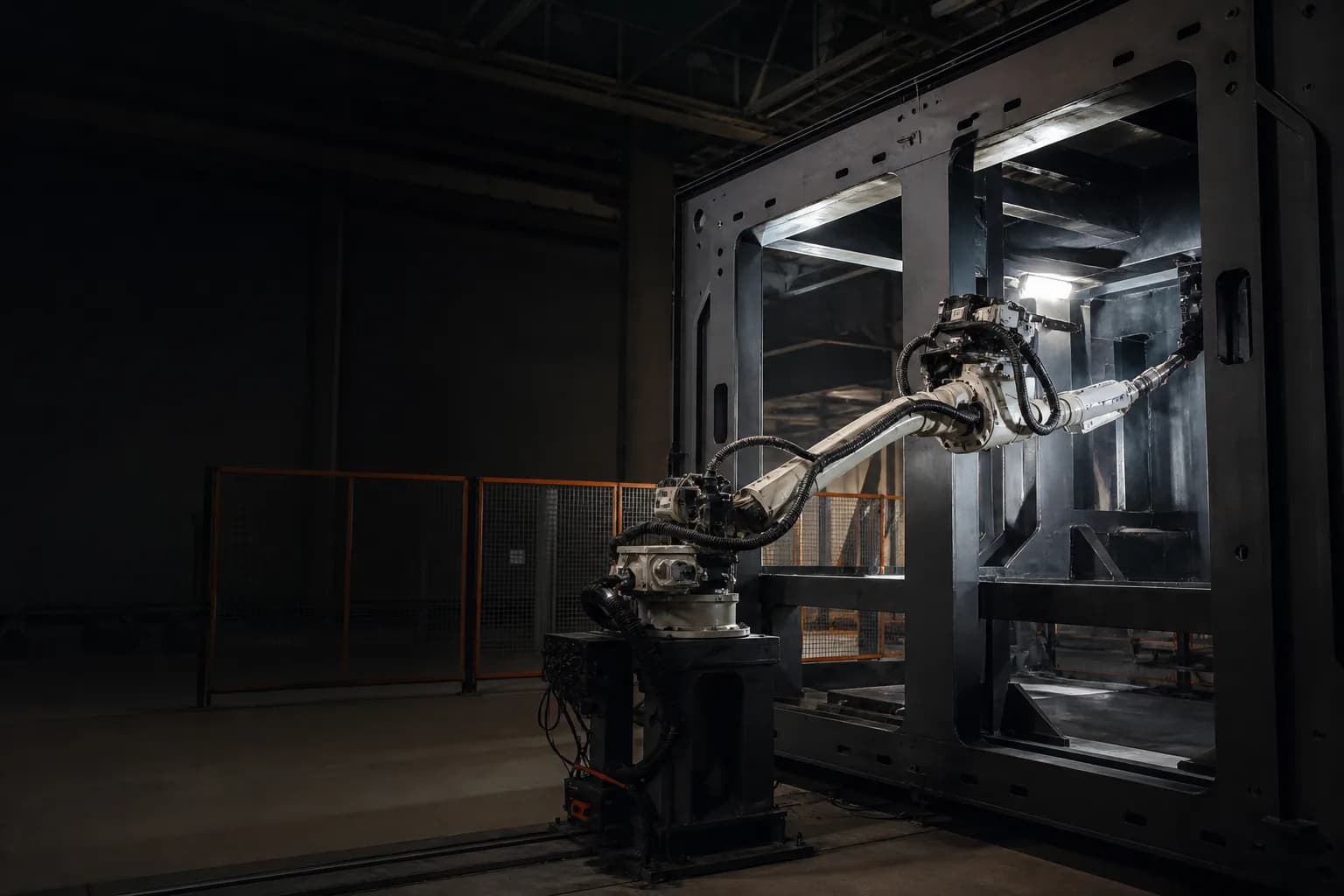
Use the AR2010 route when longer weld access may matter more than a compact envelope—and prove the trade-off in the actual layout.
Longer reach can solve access but also changes cell footprint, robot posture, interference and achievable cycle.
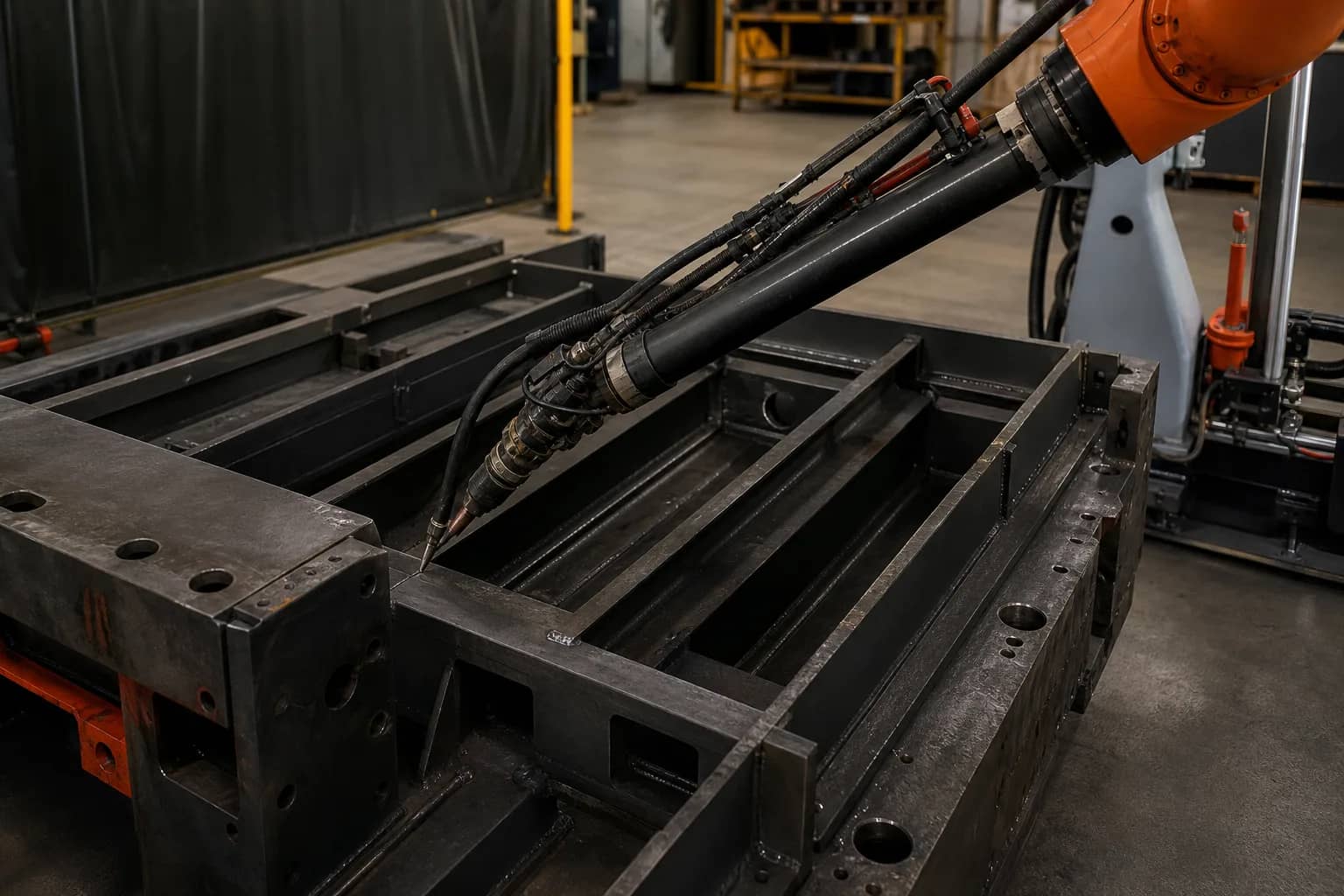
Payload, reach and tool access are checked against the actual workpiece and production target.
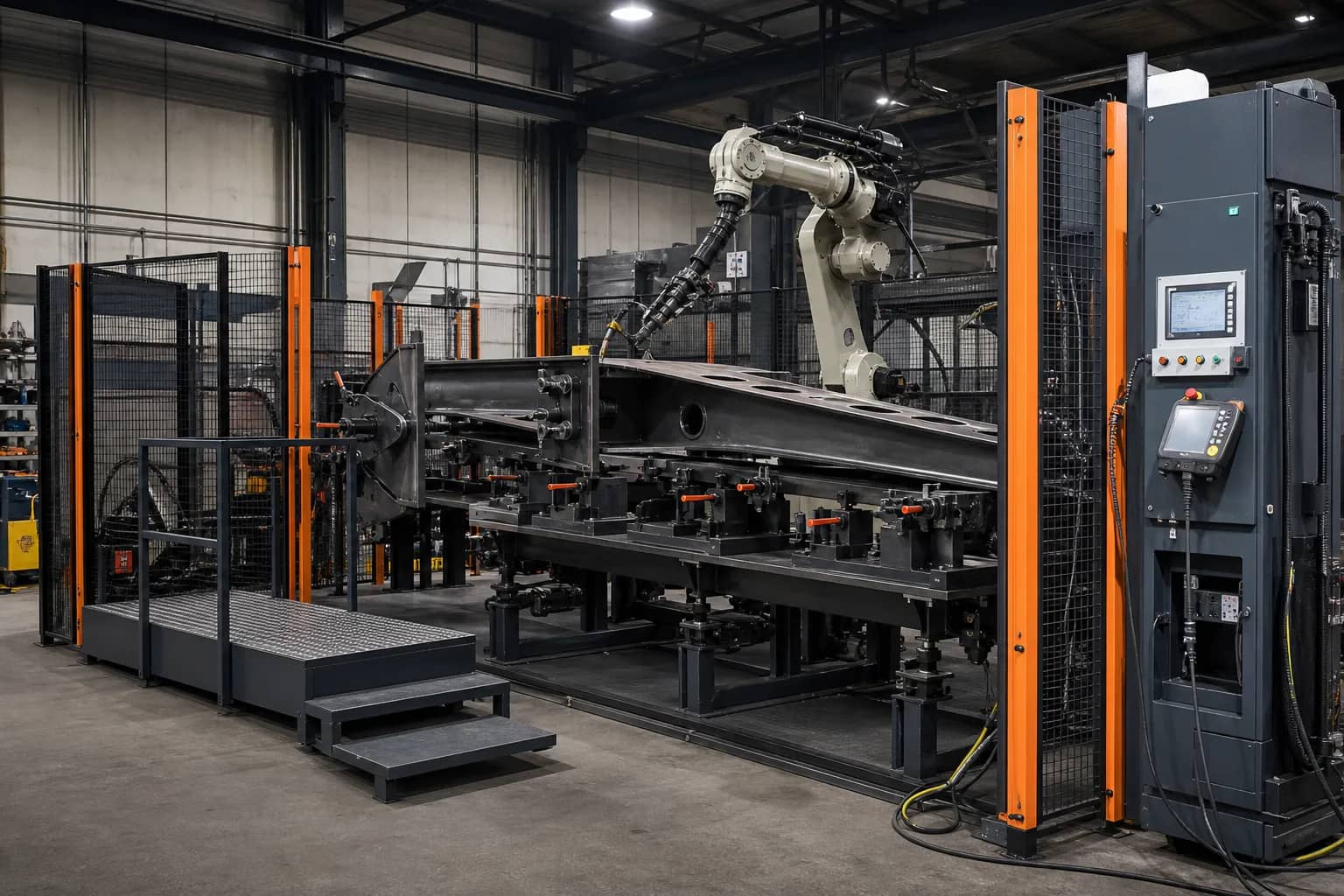
Tooling, workholding, controls, safety and access determine whether the platform becomes productive equipment.
A representative welding platform evaluated where reach, access and torch routing drive selection. Select the robot, controller and accessories to match your workpiece, process and installation requirements.
Start with the part, process and required result.
Check mass, moments, access, cycle and interfaces.
Define the installation requirements and acceptance tests.
Catalog-based technical path: compare the robot, controller and positioner as one cell decision in the Yaskawa welding cell selection guide →
Configure robot, power source, torch, feeder, fixture, positioner, sensing and safety around the weld and workpiece.
Review application ↗Include the workpiece, gripper, adapters, cables and process tooling—not payload alone.
Prove tool angle, fixture clearance, singularity margin and service access in the actual layout.
Connect motion time, process dwell, sensing and recovery logic to a credible output target.
Define fieldbus, machine handshakes, utilities, guarding and ownership before release.
Send the workpiece, total moving mass including tooling, center of gravity, reach and tool-access requirement, process, target cycle, environment, layout, interfaces, destination and preferred commercial route.
Ask for current stock and delivery options for the selected robot and controller. Include your tooling, software, destination and installation requirements so the quotation covers the configuration you need.
Workpiece geometry, total moving mass, center of gravity, reach and access, process, cycle, environment, interfaces, safety and destination determine the released configuration.
Yes. The reviewed scope may include controller, EOAT, process equipment, workholding, sensing, guarding and adjacent equipment when the required interfaces and responsibilities are defined.
Send drawings or clear photos, material and dimensions, workpiece and tooling mass, process target, cycle or output, layout, utilities, destination and any preferred control or brand standard.
Send the part dimensions and weld locations to identify whether longer reach creates real production value.